

Role of LinkedIn in Product Marketing
Product marketing is often executed through positioning, messaging, and campaigns.
In practice, impact depends on where and how consistently that messaging reaches the right audience.
Across industrial product environments, SaaS platforms, and professional learning ecosystems, one pattern is consistent:
Strong messaging exists.
Visibility is inconsistent.
This is where the role of LinkedIn in product marketing plays a critical role, and where tools like Taplio help product marketers turn LinkedIn into a structured, high-impact channel.
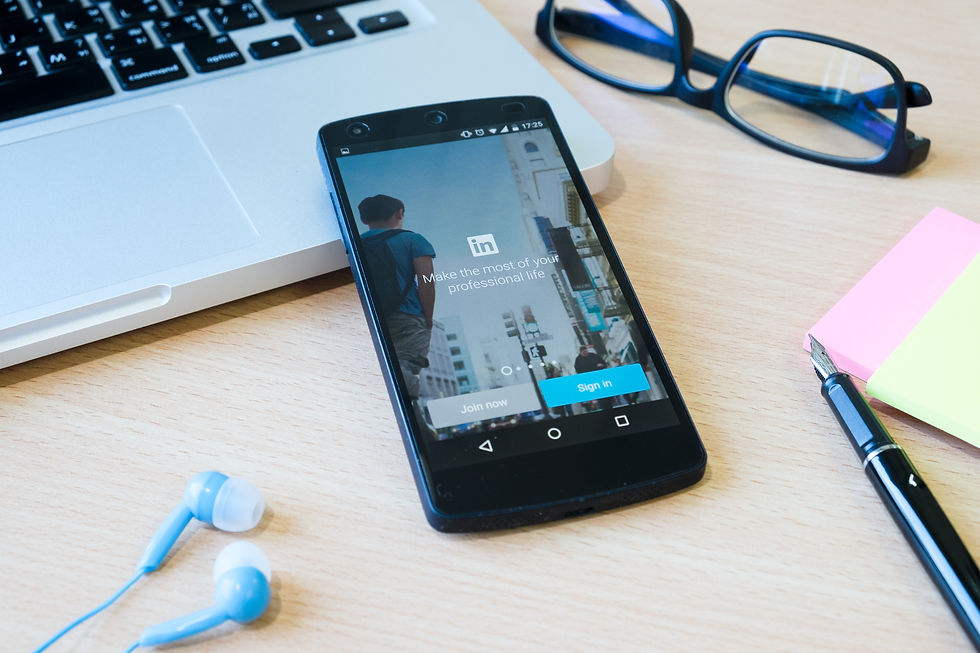
LinkedIn Is a Distribution Engine, Not Just a Platform
A common assumption across teams is:
“LinkedIn is for posting updates.”
In reality, across industries:
Buyers actively consume insights on LinkedIn
Decision-makers engage with content
Visibility influences perception
LinkedIn functions as a:
Content distribution channel
Authority-building platform
Engagement ecosystem
Product marketing becomes effective when LinkedIn is treated as a strategic distribution engine, not a passive platform.
Visibility Drives Consideration
A recurring challenge across product teams:
Low visibility despite strong offerings.
Across industries, this leads to:
Missed opportunities
Limited engagement
Weak market presence
LinkedIn enables:
Direct access to target audiences
Consistent visibility
Increased consideration
Using Taplio, product marketers can:
Maintain consistent posting
Improve reach
Strengthen presence
Build Authority Through Consistent Content
A common issue:
Content is published, but does not build authority.
Across industries, this results in:
Low recall
Weak differentiation
Limited trust
LinkedIn supports:
Sharing insights
Demonstrating expertise
Building credibility
Using Taplio, teams can:
Plan consistent content
Maintain a clear voice
Strengthen authority
Authority grows through consistent, experience-led communication.
Align Personal Brand With Product Strategy
A recurring pattern:
Separation between individual presence and product messaging.
Across industries, this leads to:
Missed influence opportunities
Limited reach
Weak engagement
LinkedIn enables alignment between:
Personal insights
Product positioning
Audience engagement
Using Taplio, product marketers can:
Structure personal content
Align messaging
Amplify product narratives
Support the Buyer Journey
A common limitation:
Content does not address different stages of the buyer journey.
Across industries, buyers:
Discover insights
Evaluate options
Build trust over time
LinkedIn supports:
Awareness through educational content
Consideration through insights
Decision through consistent messaging
This ensures continuous engagement across the entire decision process.
Enable Data-Driven Content Strategy
A recurring challenge:
Content decisions are based on assumptions.
Across industries, this results in:
Unpredictable outcomes
Inefficient efforts
Limited growth
LinkedIn, supported by tools like Taplio, enables:
Performance tracking
Content optimization
Data-driven decisions
Maintain Consistency at Scale
A common issue:
Inconsistent posting and messaging.
Across industries, this leads to:
Reduced visibility
Weak engagement
Lost momentum
Using Taplio, product marketers can:
Schedule content
Maintain consistency
Scale execution
Consistency strengthens impact and recall.
Convert Attention Into Engagement
A recurring pattern:
Content generates visibility but not engagement.
Across industries, this happens when:
Messaging lacks clarity
Content is not structured
Follow-up is missing
LinkedIn enables:
Direct interaction
Engagement with the audience
Relationship building
Using Taplio, teams can:
Structure engagement strategies
Improve interaction
Strengthen relationships
Use Structured Systems Before Scaling Growth
A common mistake:
Scaling content without structured systems.
This leads to:
Inconsistent execution
Low engagement
Limited growth
When systems are built early:
Execution becomes predictable
Messaging becomes consistent
Growth becomes sustainable
Final Thought on the Role of LinkedIn in Product Marketing
LinkedIn is not just a platform; it is a core channel for visibility, authority, and engagement in product marketing.
Across industries, an effective LinkedIn strategy depends on clarity around:
What content is shared
How consistently is it delivered
How it aligns with product messaging
How it engages the audience
Tools like Taplio support this process.
But impact depends on:
Consistency of execution
Quality of insights
Alignment with strategy
The advantage is not in being present on LinkedIn.
It is in using it as a structured system to build visibility, trust, and long-term influence.

Comments